EU budget talks shift to leaders as Ireland seeks year-end deal

Multiannual Financial Framework
The EU’s long-term budget, usually covering seven years, which sets spending ceilings and priorities across major policy areas.
Negotiating box
A presidency compromise document that organises the main political choices in budget talks, including draft figures and programme headings.
Unanimity
For the MFF, all EU member states must agree in the Council, giving each capital significant bargaining power.
Own resources
Revenue sources used to finance the EU budget, such as national contributions and EU-level income streams.
Council of the European Union
government
General Affairs Council, 13 October 2026
Irish Presidency of the Council of the EU
government
Results of the General Affairs Council, 13 October 2026
Irish Presidency of the Council of the EU
government
Explainer: The EU Multiannual Financial Framework (MFF)
Untracked bias
100% of tracked sources are High factuality
Deutschlandfunk
Merz: Irischer Vorschlag für Haushaltsentwurf "keine Grundlage für Einigung"
Pagenews.gr
€159 Billion EU Budget Cut Sparks Clash Over Farming, Cohesion Funds and Greece’s Future
Bias and factuality ratings from Media Bias Fact Check. Outlets without a rating are marked “Untracked.”
Leaders’ phase
EU leaders will discuss the 2028-2034 MFF at the 15-16 October European Council after ministers reviewed Ireland’s revised negotiating box.
Unanimity needed
The long-term budget requires unanimous agreement by all member states and consent from the European Parliament.
Ukraine link
The budget talks are being tied to continued support for Ukraine, including infrastructure needs and accession-related questions.
EU leaders will take up the bloc’s 2028-2034 long-term budget at the 15-16 October European Council, after EU affairs ministers debated the Irish presidency’s revised negotiating box at the 13 October General Affairs Council. The move shifts the file into a more political phase of bargaining.1
The Irish presidency presented the revised negotiating box on 10 October after bilateral outreach and intensive discussions with member states. According to the Council, the document identifies the most important elements for political consideration by EU leaders, including draft figures for budget headings and programmes.1 The presidency wants to use the text as a bridge between technical negotiations and a possible year-end agreement. Irish minister Thomas Byrne described it as a catalyst for timely progress.2
The European Council agenda shows why the budget file is becoming a test of the EU’s wider political priorities. Leaders are due to discuss the Multiannual Financial Framework, or MFF, alongside Ukraine, competitiveness, migration, enlargement and reforms, European security and the Middle East.1 The summit page frames the next MFF as a strategic instrument for a more prosperous, competitive and strategically autonomous Europe. It says leaders should focus on consolidating the key elements needed for a final deal by the end of 2026.1
The negotiating box is not a final budget. It is a structured compromise text that narrows the choices before leaders: the overall size of the budget, allocations across headings, programme design and politically sensitive conditions attached to spending. The Irish presidency’s explainer says the MFF usually covers seven years, and that the current talks concern the 2028-2034 period.3
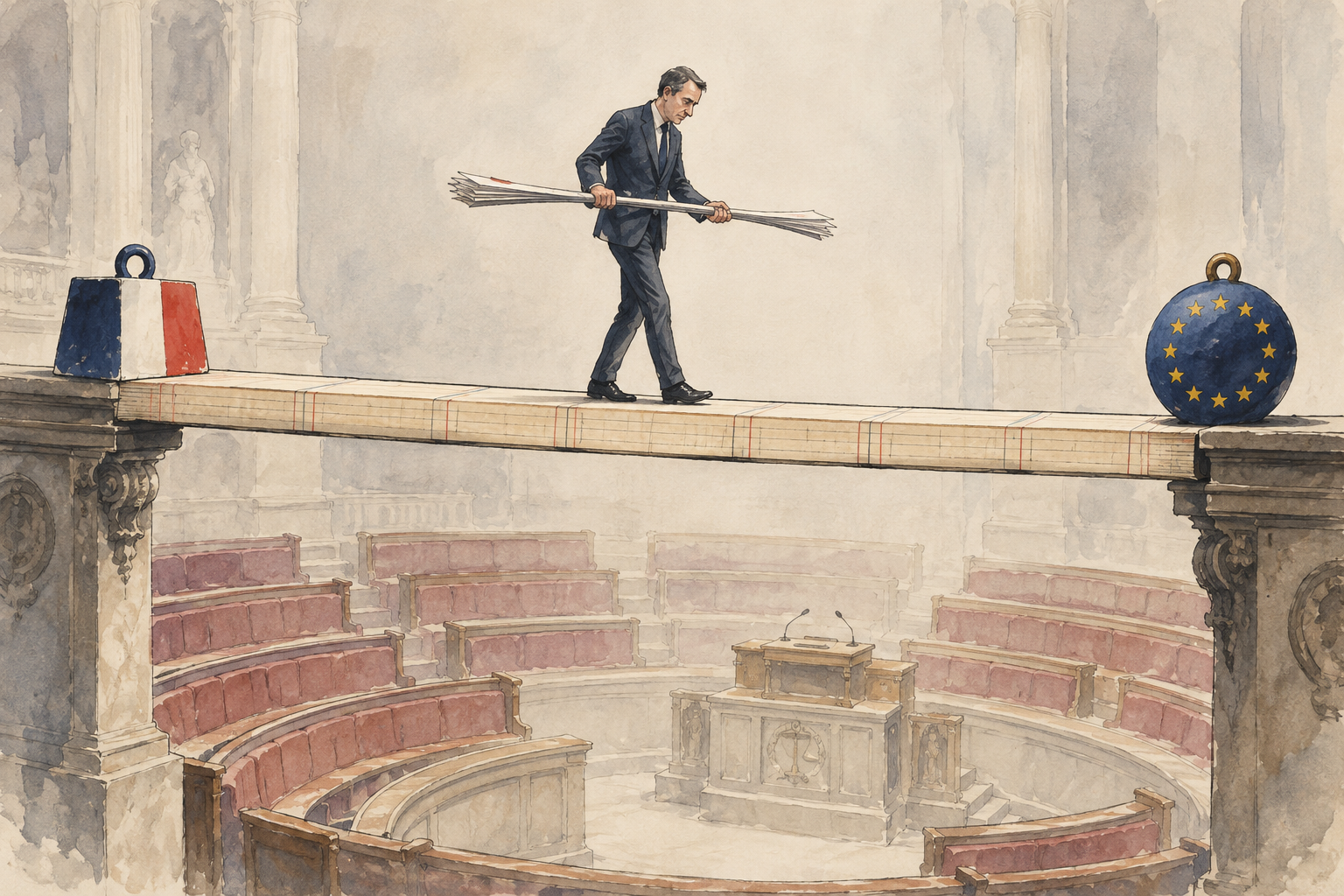
Ireland’s presidency has set the end of 2026 as the target for agreement. It argues that a timely deal would give beneficiaries, national administrations and EU institutions enough time to prepare before the new budget period begins in 2028.3 But the institutional sequence is demanding. Member states must reach unanimity in the Council, and the European Parliament must give its consent before the package can enter into force.34
That unanimity requirement gives each capital leverage. It also makes the October summit important. If leaders judge that member states are close enough to a deal, European Council President António Costa is expected to steer the final stage of negotiations toward unanimous agreement.3 In practice, that would move the file from presidency-led consolidation into direct leader-to-leader trade-offs.
The revised box is already being contested across familiar budget fault lines. Reporting from Brussels described criticism from multiple sides, including fiscally cautious net contributors, cohesion-oriented member states, Commission concerns, debates over spending conditionality and disputes over new own resources.5 Those divisions reflect a standard MFF pattern: governments that pay more into the EU budget seek restraint and rebates or safeguards, while countries that rely heavily on cohesion and agricultural funding resist cuts or redesigns that could reduce national envelopes.
The politics are complicated by the scale of what the next budget is expected to carry. Associated Press reporting linked the MFF debate to Ukraine support, competitiveness, energy prices and trade pressure, while also noting that the package needs backing from all member countries and Parliament.4 That combination makes the MFF less a narrow spending plan than a negotiating platform for the EU’s response to war, industrial competition and domestic fiscal constraints.
The European Parliament’s role is also part of the pressure system. Parliament cannot rewrite the MFF line by line in the way national legislatures amend budgets, but its consent power gives it leverage over the final package. Commentary in The Brussels Times has argued that the negotiations are being contested around democracy funding as well as competitiveness, external action, agriculture and regional funding.7
Competitiveness is one of the clearest links between the budget talks and the October European Council agenda. Ministers at the General Affairs Council also reviewed implementation of the One Europe, One Market roadmap and the simplification agenda, which the Irish presidency presented as central to boosting EU competitiveness.12
At leaders’ level, the competitiveness discussion is expected to include energy prices, progress on the single-market roadmap and global macroeconomic pressures affecting European industry.1 That creates a direct connection between the MFF and the EU’s broader economic agenda. Funding for research, infrastructure, industry, regions and companies is likely to be judged against whether it strengthens Europe’s productivity and resilience.
But competitiveness is not a neutral budget label. Civil-society groups have warned that choices around the European Competitiveness Fund, climate and environment spending targets, and exemptions for migration or defence could reshape the balance of the next MFF.6 The question for leaders is whether competitiveness becomes an additional priority layered onto existing programmes, or a rationale for reallocating money away from older budget pillars.
Ukraine is central to the summit and to the MFF debate. The European Council agenda says leaders will discuss continued support for Ukraine, including operational needs for critical infrastructure ahead of winter. They will also take stock of Ukraine’s accession progress in the enlargement context.1 Any long-term budget settlement will therefore have to account for sustained financial support, reconstruction-related needs and the implications of a future wider Union.
Migration is another link between the summit agenda and the budget. Leaders are scheduled to hold a strategic discussion on migration, including crisis response, solidarity and instrumentalisation.1 In budget terms, that raises questions about the scale and flexibility of EU funding for border management, asylum systems, partnerships with third countries and emergency instruments.
Enlargement adds a longer-term structural challenge. The Council noted that ministers discussed the Commission’s communication on preparing for a wider Union over lunch at the 13 October meeting.1 Leaders are due to discuss enlargement and reforms at the summit, including the wider institutional and financial implications of future accession.1 A larger Union would affect cohesion funding, agricultural support, administrative capacity and the distribution of budget receipts among current and future members.
The immediate question is whether the Irish presidency’s box can survive the transition from a technical compromise to a leaders’ landing zone. The Council’s account of the General Affairs Council indicates that ministers have now fed their positions into the summit process. The presidency argues that all member states share the goal of timely agreement, but will need compromise and flexibility to reach unanimity.13
The October European Council is unlikely to settle every number. Its more important function is to test the political perimeter: the acceptable overall size of the budget, the balance between traditional and newer priorities, the role of own resources, and the degree of flexibility for crises. If leaders can narrow those choices, the Irish presidency and Costa can try to convert the box into a final package before year-end.
If they cannot, the 2028-2034 MFF risks slipping into a more volatile 2027 political calendar, with national elections, parliamentary leverage and unresolved questions over Ukraine, competitiveness and enlargement all raising the cost of delay.4




Comments