China-PNG anniversary signals Pacific positioning before APEC
Xinhua
news
Xi, Papua New Guinea's governor-general exchange congratulations over 50th anniversary of diplomatic ties
State Council of the People's Republic of China
government
Xi, Papua New Guinea's governor-general exchange congratulations over 50th anniversary of diplomatic ties
Ministry of Foreign Affairs of the People's Republic of China
government
Foreign Ministry Spokesperson Mao Ning’s Regular Press Conference on October 12, 2026
Untracked bias
Bias and factuality ratings from Media Bias Fact Check. Outlets without a rating are marked “Untracked.”
50-year milestone
Xi Jinping and Bob Dadae exchanged messages on October 12 marking 50 years of China-Papua New Guinea diplomatic relations.
Strategic upgrade
Beijing said it wants to elevate its comprehensive strategic partnership with Papua New Guinea.
APEC backdrop
The anniversary comes as Prime Minister James Marape signals engagement with Xi around Asia-Pacific Economic Cooperation diplomacy.
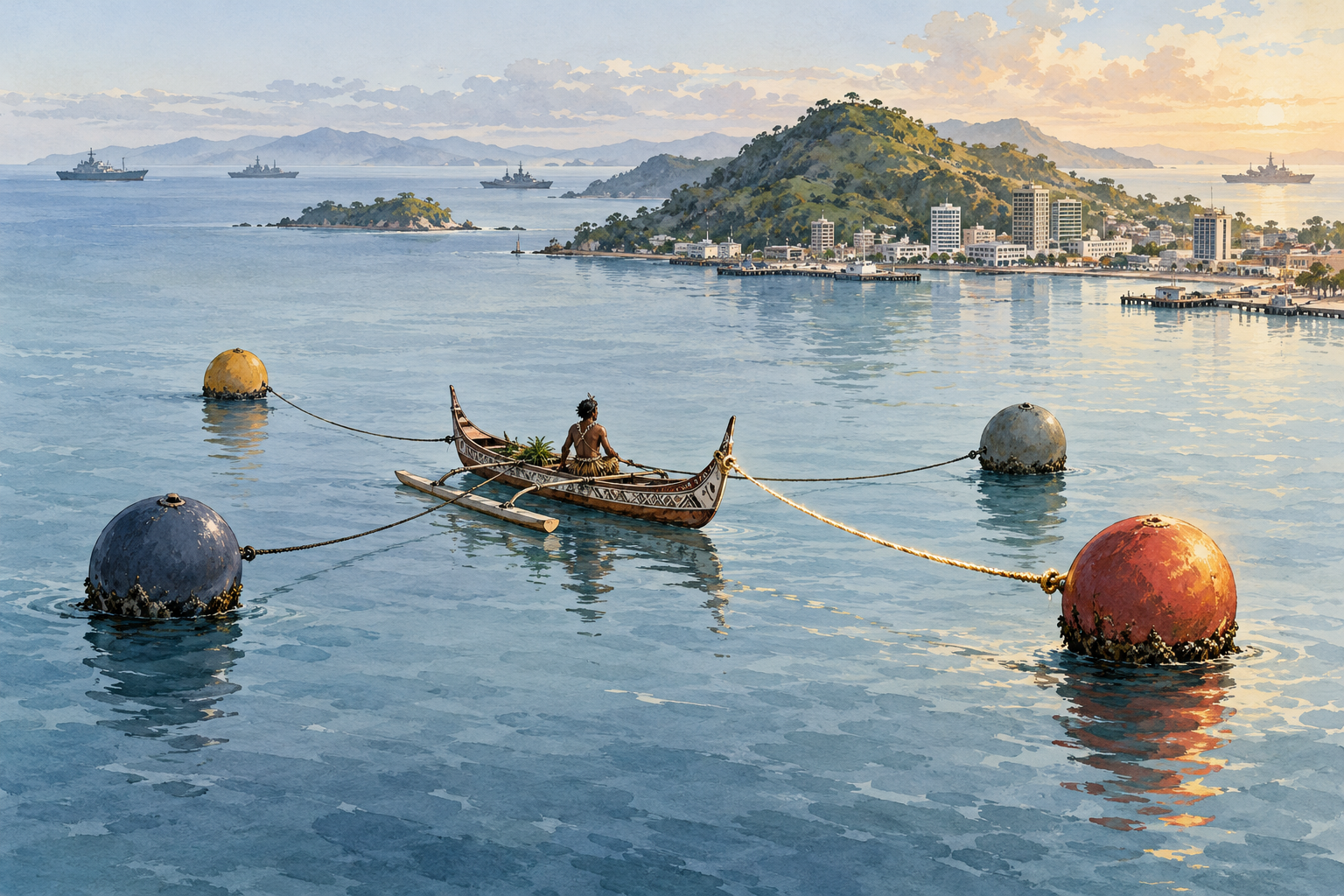
Xi Jinping and Papua New Guinea Governor-General Bob Dadae exchanged congratulations on October 12 to mark 50 years of diplomatic relations, turning a ceremonial anniversary into a signal of Beijing’s continued push for influence in the Pacific and Port Moresby’s effort to keep its foreign policy options open.1
China’s official readout described Papua New Guinea as an important Pacific partner and said Beijing wants to use the anniversary to advance ties, including through an upgraded comprehensive strategic partnership.2 Premier Li Qiang and Prime Minister James Marape also exchanged messages, underscoring that the anniversary was handled at both head-of-state and head-of-government levels.1
The timing gives the exchange added weight. Marape has recently reaffirmed Papua New Guinea’s partnership with China and signaled plans to engage Xi around Asia-Pacific Economic Cooperation diplomacy. That makes Port Moresby a useful indicator of how Pacific states are balancing Chinese economic outreach with long-standing security and development ties to Australia, the United States and other partners.4
China’s Foreign Ministry said on October 12 that Beijing wants to “elevate” its comprehensive strategic partnership with Papua New Guinea and build a closer China-Pacific Island countries community.3 The language places the anniversary inside a broader regional strategy, not just a bilateral commemoration.
Chinese officials and state media emphasized continuity: 50 years of diplomatic relations, respect for sovereignty, development cooperation and political trust.1 The State Council version of the exchange positioned Papua New Guinea as a key Pacific Island country and presented deeper ties as mutually beneficial.2
The Chinese ambassador’s anniversary byline made the strategic pitch more explicit, linking the relationship to Belt and Road cooperation, trade and investment, APEC-related diplomacy, and the argument that the Pacific should not become an arena for major-power rivalry.4 That framing is aimed at Pacific governments seeking infrastructure, markets and diplomatic attention without being pushed into an exclusive camp.
For Papua New Guinea, the anniversary is less about choosing sides than preserving leverage. China is an important economic and diplomatic partner, while Australia remains PNG’s closest security and development partner. The United States has also expanded its Pacific engagement in response to Beijing’s regional presence.
Marape’s government has repeatedly emphasized sovereignty in its external relationships. In practice, that means seeking investment and political support from China while maintaining deep ties with traditional partners. The anniversary messages show how that balancing act works: formal warmth toward Beijing, but no public indication that PNG is abandoning a multi-partner approach.
That is why the language around an “upgraded” partnership matters. For Beijing, it signals momentum in the Pacific. For Port Moresby, it offers diplomatic and economic upside, but also requires careful management of perceptions among partners that see PNG as strategically important in the southwest Pacific.
APEC gives leaders a platform for bilateral diplomacy alongside economic meetings. If Marape engages Xi around the forum, the talks would likely be read through the lens of regional competition: China seeking deeper Pacific ties, and PNG seeking to convert major-power attention into development gains while avoiding overdependence.
The anniversary messaging also comes as China continues to use official media, diplomatic statements and embassy outreach to reinforce its Pacific narrative. The same Xi-Dadae anniversary report appeared in Chinese state-linked and international channels, including People’s Daily Online, Xinhua syndication through NAMPA, and China Radio International’s Turkish-language service.567
That amplification suggests Beijing wants the anniversary understood beyond Port Moresby and Beijing: as evidence that China’s Pacific relationships are durable, legitimate and still expanding.
The next signals will be practical rather than ceremonial: whether China and PNG announce new infrastructure, trade, policing, digital, resources or development agreements; whether the “upgraded” partnership language becomes part of a formal joint statement; and how Australia and the United States respond.
For Pacific geopolitics, the key point is that PNG is not simply a venue for great-power competition. It is an active player using that competition to widen its choices. The October 12 anniversary shows Beijing’s ambition, but it also shows Port Moresby’s central task: attracting major-power support without surrendering strategic autonomy.
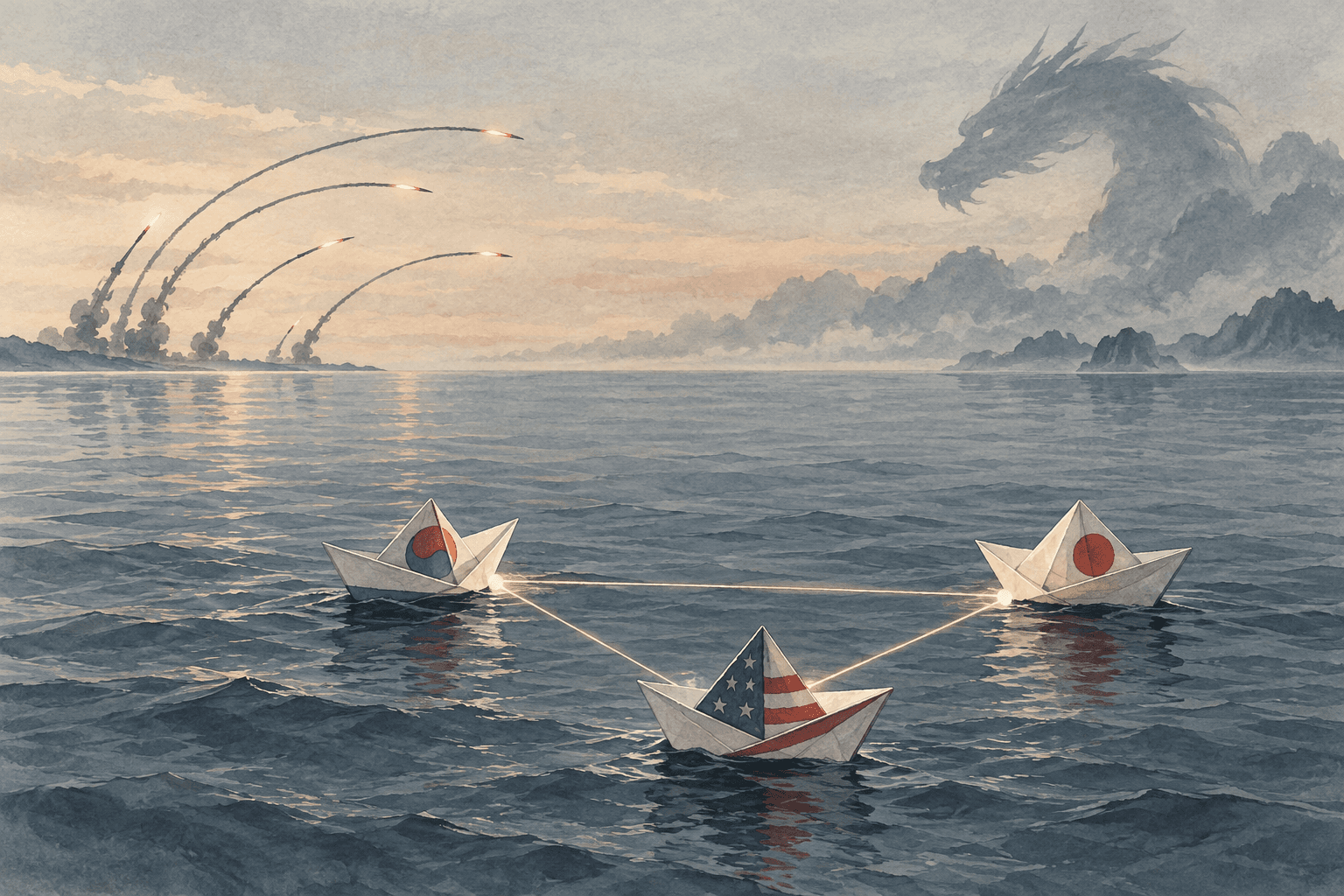
North Korea fired multiple ballistic missiles toward its eastern waters on October 12, prompting coordinated tracking and condemnation by South Korea and Japan while China declined to add public pressure on Pyongyang. The episode highlights how alliance channels are tightening even as Beijing’s restrained posture limits a wider regional consensus.

China imposed entry bans, asset freezes and transaction restrictions on senior officials from Belize and Paraguay on October 12, targeting two of Taiwan’s remaining diplomatic partners. The move signals a sharper use of targeted diplomatic penalties alongside Beijing’s more familiar military and political pressure on Taipei.

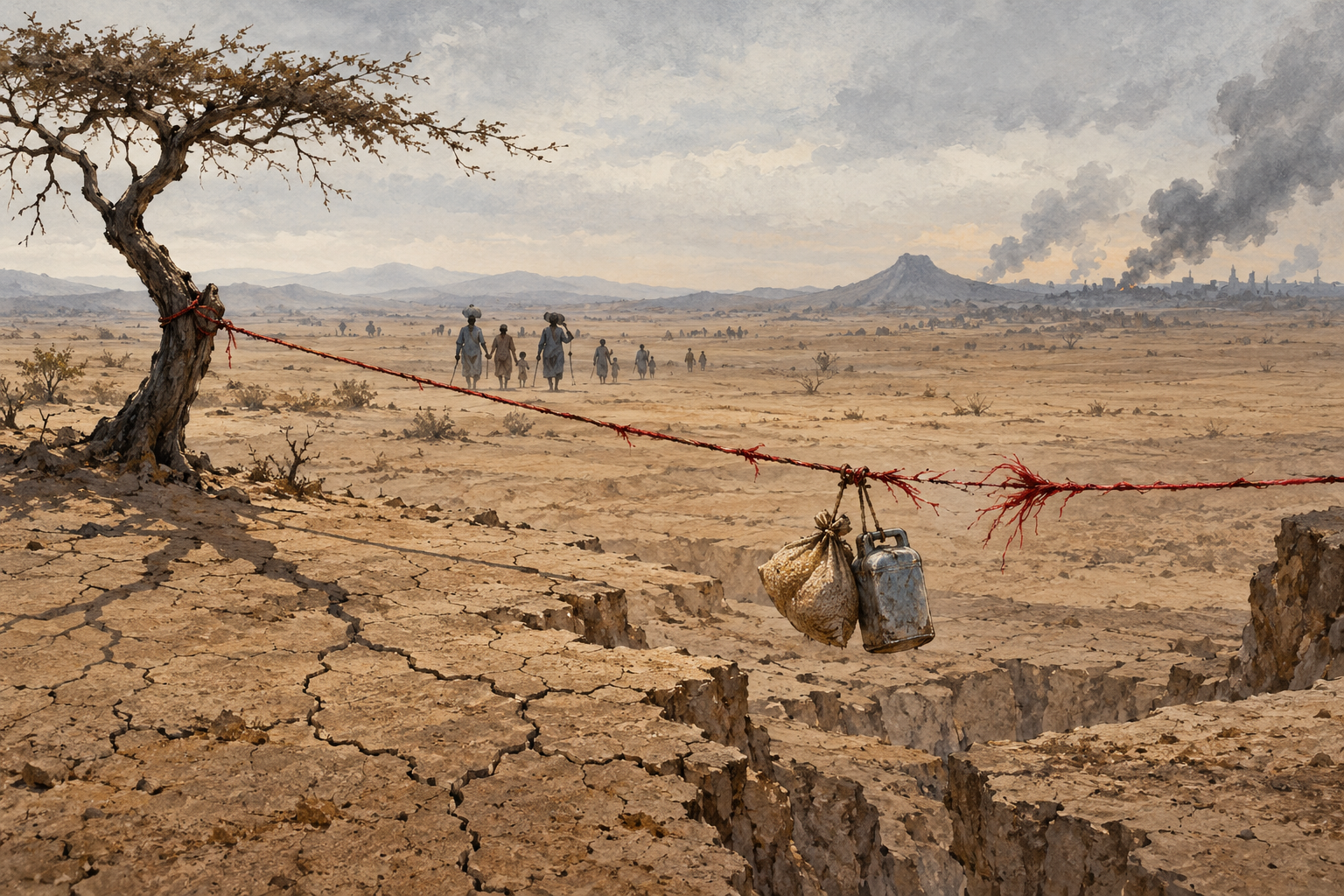
A new food-security alert warns that parts of Darfur and Kordofan face a growing risk of famine as conflict, drought and funding shortages erode civilian survival systems. The warning comes after deadly strikes in Blue Nile and South Kordofan underscored how expanding violence is killing displaced people and threatening aid deliveries.

Renewed fighting in northern Ethiopia has moved beyond a domestic contest over Tigray, drawing in claims of Eritrean incursions, Ethiopian self-defense at the United Nations and a new alignment among Egypt, Eritrea, Sudan and Somalia. The escalation is testing the 2022 peace settlement and reviving disputes over Red Sea access, Nile water politics and regional security.
Comprehensive strategic partnership
A diplomatic label China uses for relationships it wants to frame as broad, high-level and long-term across politics, trade, development and security-adjacent issues.
APEC
The Asia-Pacific Economic Cooperation forum, where leaders often hold bilateral meetings alongside regional economic discussions.
Pacific balancing
The effort by Pacific Island governments to work with China, Australia, the United States and others without becoming dependent on any single power.
Belt and Road cooperation
China’s global infrastructure and connectivity initiative, often involving transport, energy, digital or public works projects.



Comments