Finland pushes EU Arctic strategy into security mainstream
Associated Press
news
European leaders meet as Arctic thaw opens shipping routes and Russian buildup stokes security fears
European Commission Representation in Denmark
government
Arktisk EU-topmøde
Finnish Government
government
The press conference of the European Arctic Summit in Rovaniemi, Finland
Untracked bias
100% of tracked sources are High factuality
Bias and factuality ratings from Media Bias Fact Check. Outlets without a rating are marked “Untracked.”
Leaders’ format
Finland brought EU institutional leaders and national leaders to Rovaniemi on 13–14 September to push Arctic policy into a higher-level strategic discussion.
Security shift
The summit comes amid concern over Russia’s northern military posture, Arctic shipping routes and the region’s growing role in European security planning.
Partner role
Norway and Iceland underline that the EU’s Arctic strategy will depend heavily on non-EU European partners tied to the bloc through the single market and security cooperation.
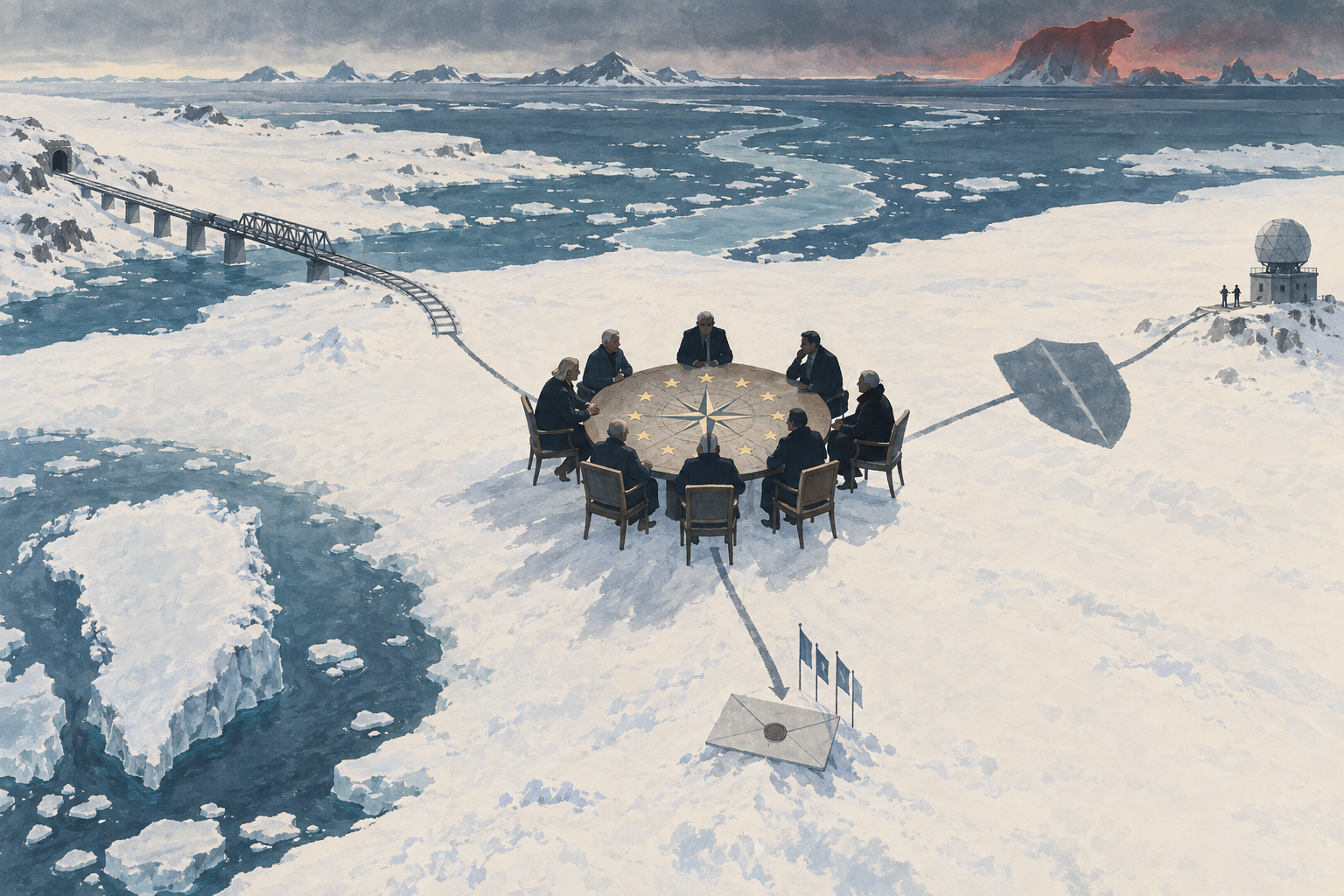
ROVANIEMI, Finland — Finland is using a leaders’ summit in the Arctic Circle to push the European Union toward a more coherent Arctic strategy, convening European Council President António Costa, EU foreign-policy chief Kaja Kallas and national leaders on 13–14 September for talks centered on security, stability and the bloc’s strategic role in the far north.23
The European Arctic Summit signals a shift in how Brussels and member capitals view the region. The Arctic is no longer treated mainly as a climate, fisheries or regional-development file, but as part of Europe’s wider security and geopolitical agenda. That focus has sharpened as warming temperatures open shipping routes, governments compete for resources and Russia’s military presence in the north raises security concerns.1
Finnish Prime Minister Petteri Orpo has framed the meeting as a forum for building a shared assessment of the Arctic’s importance to European security and prosperity. The Finnish government’s official webcast for Monday’s press conference listed Orpo alongside Costa, Kallas, German Chancellor Friedrich Merz, Danish Prime Minister Mette Frederiksen, Estonian Prime Minister Kristen Michal, Latvian Prime Minister Andris Kulbergs, Lithuanian President Gitanas Nausėda and Romanian President Nicușor Dan.3
The European Commission’s Danish representation said Kallas and International Partnerships Commissioner Jozef Síkela were joining Costa as the EU advances work on an updated Arctic strategy. It said the summit would focus on strengthening the EU’s common strategic approach as the region’s geopolitical importance grows rapidly. Kallas and Síkela were expected to discuss the changing geopolitical and security environment and the EU’s strategic role with partners.2
The Rovaniemi format reflects Finland’s effort to elevate the Arctic from a fragmented policy field into a leaders’ discussion about deterrence, connectivity, energy resilience, critical infrastructure and relations with like-minded partners. It is a significant institutional move for the EU, whose Arctic interests span climate policy, transport, digital infrastructure, raw materials, maritime security, sanctions policy, regional development and relations with non-EU European states.
The meeting also comes as the EU prepares an updated Arctic strategy, expected this autumn according to Norway’s government and in October according to the Commission’s Danish representation.24 For Brussels, the question is whether the document can do more than aggregate existing programs — and whether it can define priorities across the Commission, the External Action Service, the Council and member states that face different levels of exposure to the north.
Northern and Baltic states see the Arctic through immediate security geography. Germany and other larger member states bring industrial, budgetary and infrastructure concerns. Denmark arrives with the additional sensitivity of Greenland, a self-governing territory within the Kingdom of Denmark that is central to Arctic geopolitics but outside the EU. The Associated Press reported that the EU has been grappling with U.S. President Donald Trump’s pressure over Greenland and noted that Greenland’s government opposes U.S. designs on the island.1
Those sensitivities give Denmark a distinctive role in any EU Arctic approach. Brussels can offer financing and partnership, but sovereignty, local consent and the constitutional relationship between Copenhagen and Nuuk limit how far EU institutions can move without careful coordination. Commission President Ursula von der Leyen’s recent offer of €200 million in EU support over two years for Greenland — aimed at climate, connectivity, hydropower, fisheries and education — shows how infrastructure and development tools have become part of the geopolitical toolkit.1
Russia’s northern posture is the strategic backdrop to the talks. AP reported that leaders were meeting as a Russian military buildup heightens security concerns. The summit also followed Norway’s seizure earlier this month of a Russian vessel in Svalbard at Ukraine’s request, a move condemned by Russian President Vladimir Putin.1
That context links the Arctic to the war-driven security agenda already dominating EU and NATO debates. For countries on NATO’s eastern flank, the northern and eastern theatres are increasingly connected. Romanian outlet Calea Europeană reported that President Nicușor Dan used the summit margins for talks with Merz on NATO eastern-flank security, German-Romanian defence industry cooperation and the next EU budget.5
The budget dimension matters because a credible Arctic strategy will require money for dual-use transport, satellite and maritime awareness, energy infrastructure, digital links, search-and-rescue capacity and resilience against sabotage or coercion. The Romanian-German exchange showed how Arctic strategy is intersecting with broader EU budget negotiations, including the balance between traditional cohesion and agriculture spending and newer priorities such as competitiveness and defence.5
Finland’s summit also highlights the importance of non-EU partners Norway and Iceland. Norway’s prime minister, Jonas Gahr Støre, attended the Rovaniemi working dinner and said Oslo had long pushed for more knowledge, cooperation and security in the north. The Norwegian government said the summit was intended to strengthen the common strategic approach to the region and that Norway had contributed actively to the EU’s Arctic-strategy process, especially in maritime and space-based domains.4
Norway’s role is central because it is both an Arctic state and a close EU partner through the European Economic Area, while remaining outside the Union. It is also a major energy supplier and a front-line actor in northern maritime security. Støre said Norway is an important contributor to Europe’s energy, climate and security policy and wants stronger Arctic cooperation with the EU.4
Iceland’s participation reinforces the same point: a European Arctic strategy cannot be designed by EU institutions alone. Støre also held bilateral talks with Icelandic Prime Minister Kristrún Frostadóttir on relations with the EU and the importance of protecting the EEA agreement, which anchors both countries inside the single market while they remain outside the EU.4
NTB, the Norwegian news agency, described the 13–14 September meeting as an Arctic EU summit in Finland involving Støre and aimed at strengthening the EU’s common Arctic strategy amid the region’s growing geopolitical importance.6 That framing captures the balance Finland is trying to strike: the EU is the object of the strategy push, but implementation depends on a broader European network.
The summit does not by itself resolve the EU’s Arctic problem. The Union has interests in the region, but not all competences sit in Brussels, not all Arctic actors are EU members and not all member states assign the same urgency to northern security. Greenland requires Danish and local political handling. Norway and Iceland are partners, not EU members. NATO remains central to hard security, while the EU brings market power, infrastructure funding, sanctions, regulation and climate policy.
Finland’s leaders’ format is therefore a test of political alignment before the strategy update lands. If the EU can connect security analysis with funding, infrastructure planning and partner diplomacy, the Arctic could become a more integrated part of European strategic policy. If not, Rovaniemi may be remembered mainly as another signal that the Arctic has moved up the agenda faster than EU machinery can adapt.

Poland says it will tighten security along its frontier with Ukraine after Russian drones struck near border crossings and hit a train at Yahodyn shortly after European dignitaries passed through. The attacks suggest Moscow’s air campaign is increasingly pressing against the infrastructure that links Ukraine to its Western backers, forcing NATO to manage escalation risks at the alliance’s edge.

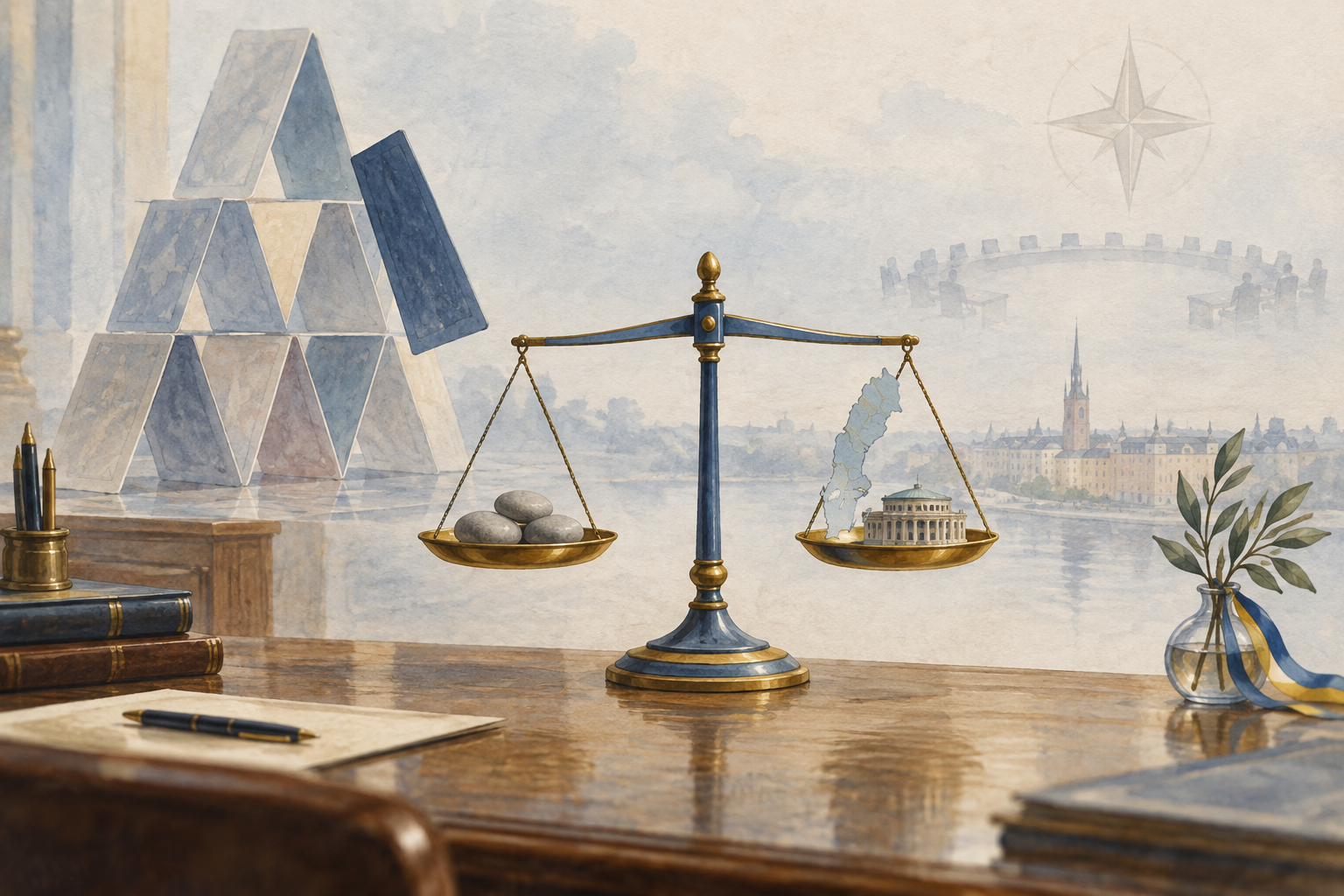
Preliminary results from Sweden’s 13 September general election show the opposition ahead by three seats, but the final Riksdag result is not expected until the weekend after election day. The narrow margin, speaker process and Sweden Democrats’ role could matter as much as the winner for Stockholm’s positions on Ukraine, NATO coordination, migration and EU budget talks.

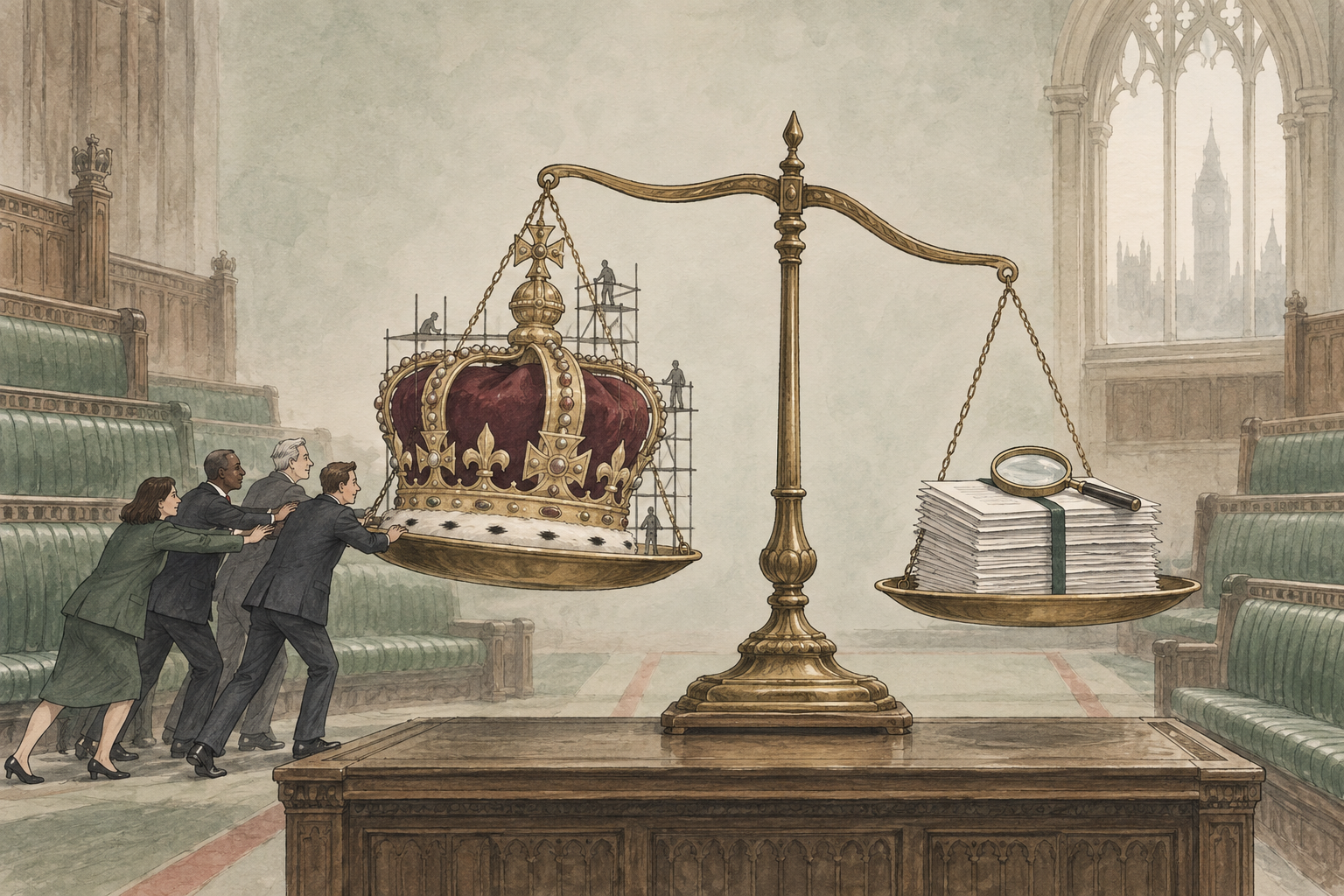
MPs are due to take the Sovereign Grant Bill through second reading and all remaining Commons stages on 14 September 2026, using primary legislation to set royal funding at £99.9 million for 2027-28 and lower the future Crown Estate surplus share to 20.5%. A Liberal Democrat amendment seeks National Audit Office scrutiny and a Commons vote before any future increase in the percentage used to calculate the grant.

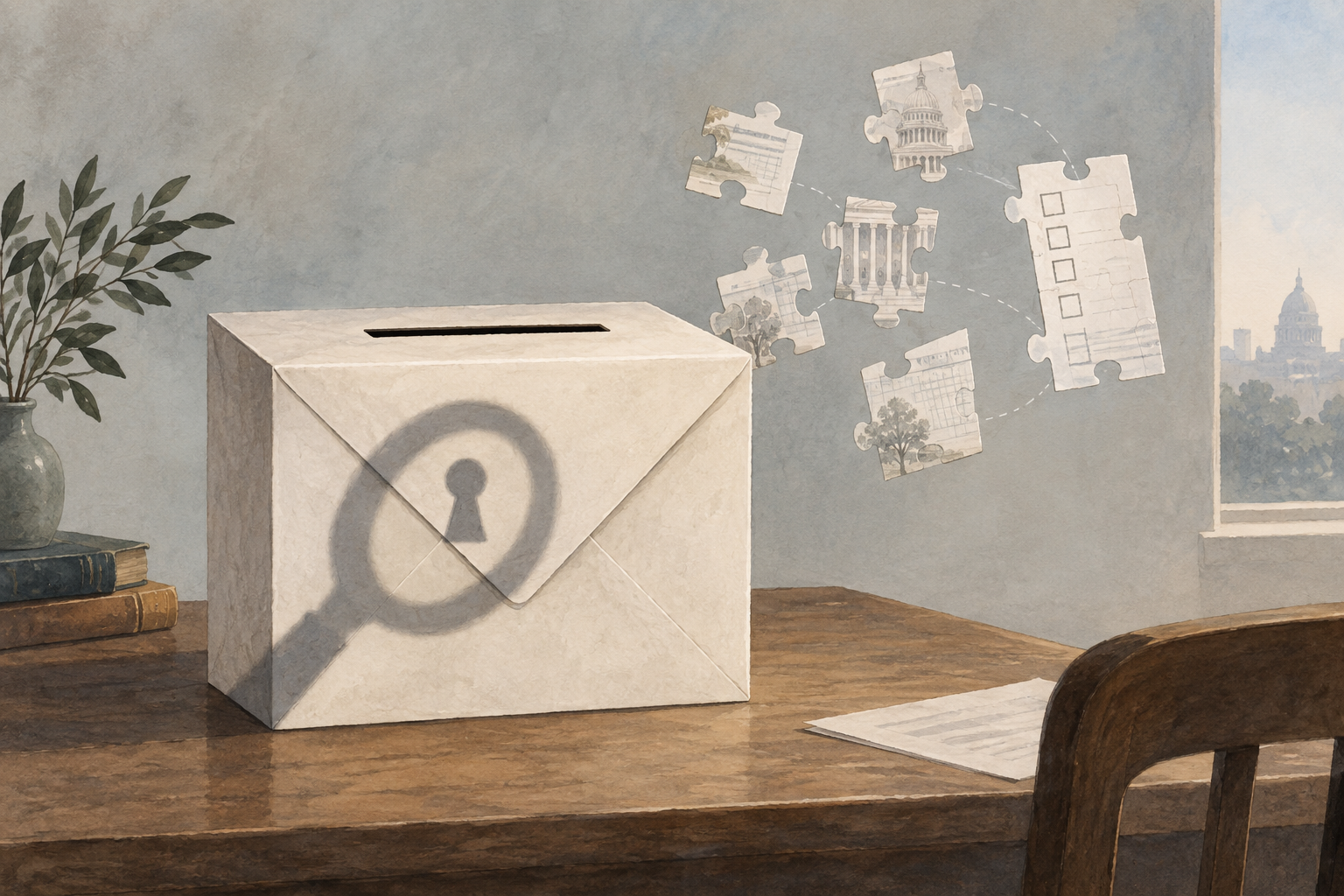
Election-security researchers say a flaw in Georgia’s voting system can let public records be recombined to connect some voters with their ballots, turning ballot secrecy into a live issue before the November 3 midterms. State officials say they are limiting releases of sensitive records and working on a workaround, while advocates argue the system itself should be fixed.
European Arctic Summit
A Finland-hosted leaders’ meeting in Rovaniemi focused on Europe’s strategic approach to the Arctic and the region’s security environment.
EU Arctic strategy
The EU policy framework for Arctic engagement, spanning climate, development, connectivity, research, resources, security and cooperation with Arctic partners.
Greenland sensitivity
Greenland is a self-governing territory within the Kingdom of Denmark and is central to Arctic geopolitics, making EU engagement politically delicate.
European Economic Area
The EEA links Norway and Iceland to the EU single market even though they are not EU members, making them important partners in Arctic policy.

Comments