Haiti’s Gang Crisis Spreads Beyond Port-au-Prince to Farms, Roads and Rural Towns
Untracked bias
Bias and factuality ratings from Media Bias Fact Check. Outlets without a rating are marked “Untracked.”
Rural expansion
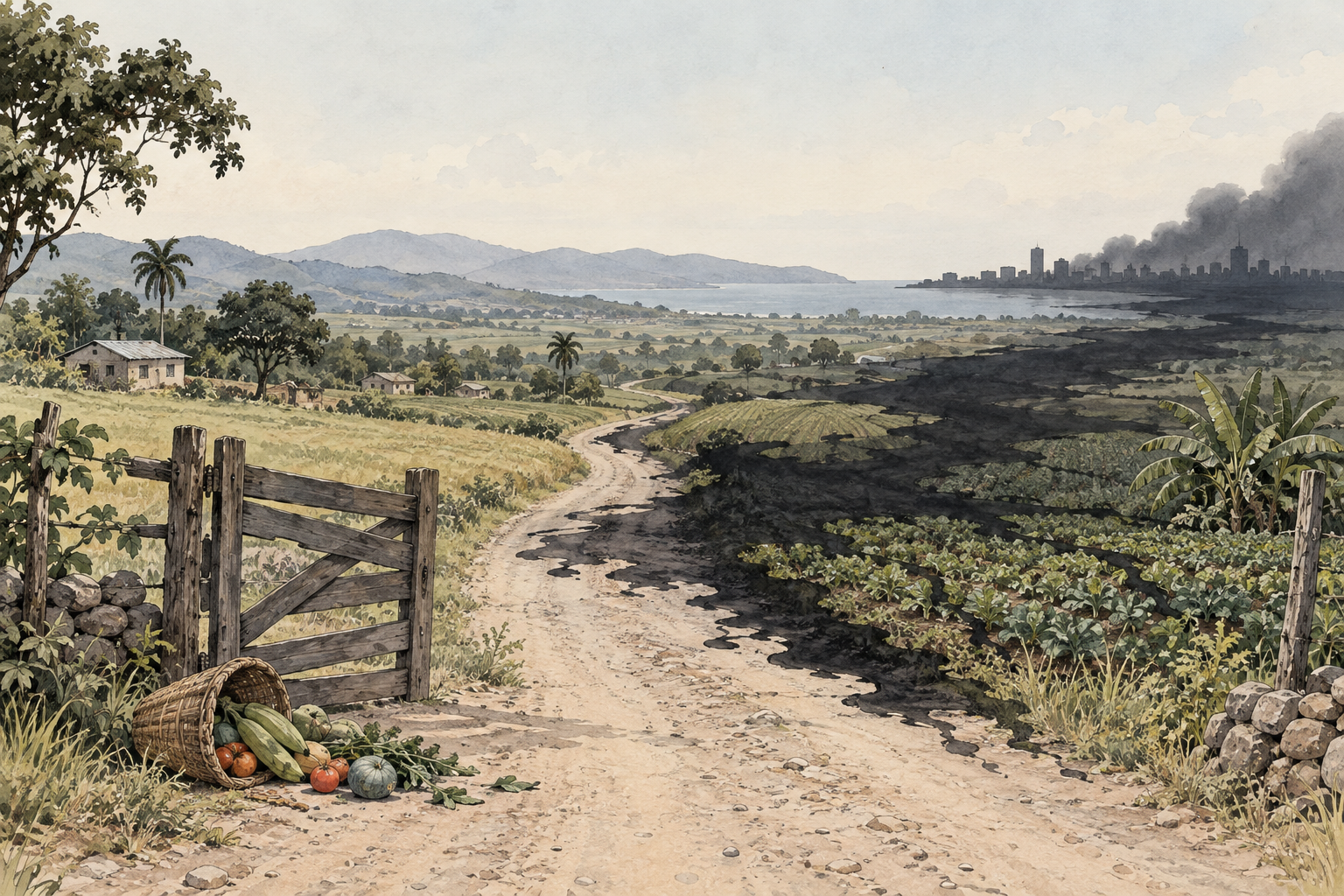
Gangs are extending kidnappings, roadblocks, cattle theft and raids into rural Haiti, not only Port-au-Prince.
Food risk
Violence in agricultural and transport areas such as Artibonite threatens farming livelihoods and market access.
State strain
Kidnappings of public figures and attacks on rural communities are weakening governance beyond the capital.
Haiti’s security crisis is no longer confined to Port-au-Prince. Armed gangs are expanding into rural and peri-urban areas through kidnappings, roadblocks, cattle theft and raids on farming communities, widening the humanitarian emergency and exposing the limits of a response still focused largely on the capital.1
The shift matters because the countryside is central to Haiti’s survival. Regions such as Artibonite are key to food production and transport, while communities around Kenscoff link the capital to mountain settlements and agricultural zones. As gangs move into these areas, insecurity is becoming not only a policing problem, but also a food-security, mobility and governance crisis.15
Recent reporting from Haitian and international outlets shows how this expansion is disrupting public life beyond the capital. In Artibonite, police operations have targeted gang positions and dismantled concrete barriers. In Gros-Morne, kidnappings have involved public figures, police officers and a lawyer — signs that violence is affecting local administration, law enforcement and civilian movement.23
For years, Haiti’s gang violence has been viewed mainly through the collapse of security in Port-au-Prince, where armed groups have controlled neighborhoods, attacked institutions and restricted movement. But the spread into farming districts and secondary roads changes the strategic geography of the crisis.1
Roadblocks and raids in rural areas can sever links between producers and markets. Cattle theft and attacks on farming communities directly undermine livelihoods. Kidnappings on roads or in towns discourage travel, weaken local commerce and make it harder for state officials, aid workers and families to move safely.15
This creates a feedback loop: As insecurity spreads, rural communities become harder to serve. As state presence weakens, gangs gain more room to operate. The result is a broader governance vacuum in which armed groups can tax movement, intimidate residents and disrupt food and humanitarian networks.5
Artibonite is especially important because it is one of Haiti’s key agricultural regions. Violence there has implications far beyond the immediate victims of attacks or abductions. If farmers cannot work safely, traders cannot move goods, or police cannot hold cleared areas, the consequences can reach markets and households across the country.15
Local reporting on September 7 described a Haitian National Police operation in Jean-Denis targeting positions associated with Gran Grif and Kokorat San Ras, including the dismantling of concrete barriers.2 Such operations show that the state is not absent everywhere outside the capital. They also point to the difficulty of maintaining control in contested rural zones.
A day later, Le Nouvelliste reported kidnappings in Gros-Morne, including victims linked to education, policing and the legal profession.3 Those cases show how abductions can hollow out local governance: When teachers, administrators, police officers or lawyers become targets, institutions that communities rely on become harder to operate.
The crisis has also reached communities such as Kenscoff, an area outside the capital associated with farming and mountain settlements. Reporting on the release of hostages after a Kenscoff attack highlighted the role of UNICEF-supported and community negotiations, underscoring how humanitarian actors and local intermediaries are often forced to fill gaps left by the state.6
Negotiated releases can save lives. But they also reveal a troubling reality: In areas where armed groups can abduct civilians and hold them beyond the immediate reach of the authorities, security depends on ad hoc mediation rather than predictable law enforcement.6
That dynamic complicates stabilization. A plan focused only on reclaiming Port-au-Prince neighborhoods may leave rural communities exposed, transport corridors contested and displaced families unable to return safely.
The United States has designated several Latin American and Caribbean criminal groups as foreign terrorist organizations, including Haitian groups such as Viv Ansanm and Gran Grif, according to the Associated Press.4 The designations reflect growing international concern over gang networks linked to kidnapping, murder, extortion and arms trafficking.4
But designations alone do not secure rural roads, protect farms or rebuild trust in local policing. Haiti’s challenge is operational as well as diplomatic: Security forces must be able to clear, hold and serve territory outside Port-au-Prince, while humanitarian agencies need access to populations affected by displacement, hunger and violence.
The rural spread also raises risks for Haitians abroad and those returned to the country. Diaspora-focused reporting has linked insecurity on roads and in farming communities to family movement, remittances and the ability of people to support relatives inside Haiti.5 Public-radio coverage of a Haiti symposium in Kansas City similarly framed the crisis through displacement, insecurity and the vulnerability of deportees returning to unsafe conditions.7
Any stabilization strategy that treats Haiti’s crisis mainly as a battle for Port-au-Prince risks missing the countrywide nature of the emergency. The capital remains central: It is the seat of government, the main economic hub and a focal point for international security planning. But gangs do not need to control the entire country to destabilize it. They can exert national pressure by threatening roads, agricultural zones and smaller communities where the state has limited reach.15
That means success will require more than tactical operations in urban neighborhoods. It will require secure transport corridors, protection for farmers and traders, support for local police outside the capital, and humanitarian access to communities trapped between gang control and state weakness.
The expansion into Artibonite, Kenscoff and other rural areas is not a secondary front. It is a sign that Haiti’s crisis has become a national struggle over mobility, food, authority and survival.

Former President Juan Manuel Santos’s call for President Abelardo De La Espriella to implement the 2016 FARC accord has turned an early security agenda into a broader test of Colombia’s state commitments. The question is whether the new right-leaning administration treats the deal as binding policy or as a legacy framework open to revision.

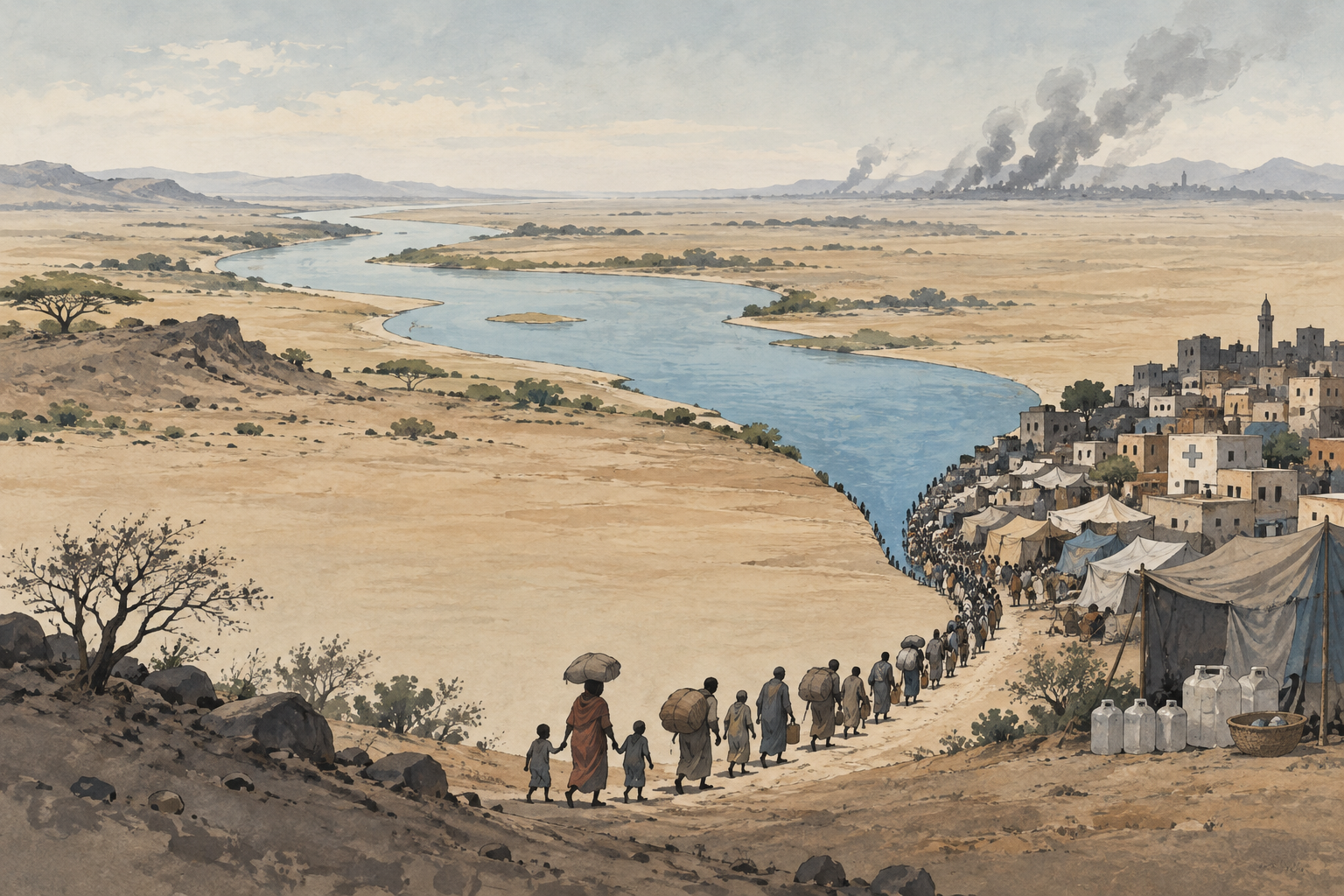
Escalating clashes between Sudan’s army and an RSF-allied SPLM-N faction are pushing new waves of civilians toward Ed Damazin and nearby towns, adding pressure to already strained shelter, food, water and health systems. UN-linked displacement tracking has verified nearly 100,000 people displaced in Blue Nile this year, while local monitors warn the real toll from months of fighting may be higher.

Yemen’s Houthis say they have taken Greater and Lesser Hanish islands after gains around Mokha, extending their reach over waters north of Bab el-Mandeb. The move raises the stakes for Saudi exports, Red Sea shipping and Iran’s regional leverage as Hormuz remains disrupted.

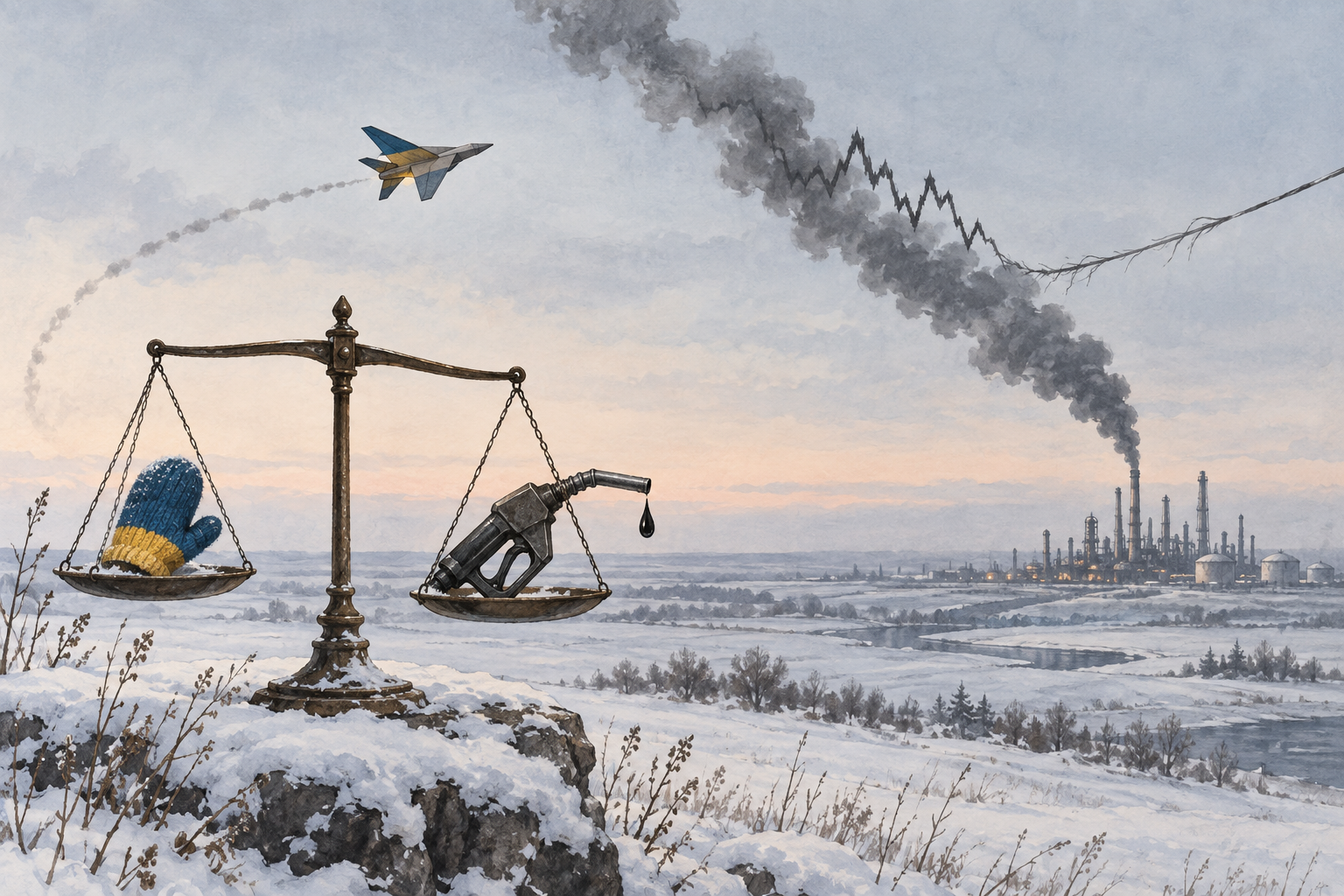
Trump’s call for Kyiv to stop hitting Russian diesel infrastructure exposes a central tradeoff in the war: Ukraine’s long-range campaign is pressuring Russia’s war economy, but it is also aggravating fuel-market strains that Washington wants contained.
Artibonite
A major agricultural region in Haiti whose insecurity can affect food production, trade routes and rural livelihoods.
Kenscoff
A mountain community near Port-au-Prince where recent abductions have highlighted the spread of violence beyond dense urban neighborhoods.
Viv Ansanm
A coalition of Haitian gangs that has become a major actor in the country’s security crisis and has been designated by the United States as a foreign terrorist organization.
Gran Grif
A Haitian armed group active in Artibonite and included among groups targeted by international sanctions or designations.


Comments