House sends Russia sanctions package to Trump after tariff deal divides Democrats
House Ways and Means Committee
government
Chairman Smith Statement on House Passage of Legislation to Impose Sanctions on Russia, Use Tariff Policies to Curtail Support for Russia’s War on Ukraine
House Foreign Affairs Committee Democrats
government
Meeks Issues Statement Following Vote on Russia Sanctions & Tariffs Bill
Office of U.S. Senator Katie Britt
government
Following Significant Advocacy from U.S. Senator Britt, U.S. House Passes Lindsey O. Graham Sanctioning Russia and Iran Act of 2026, Legislation Heads to President Trump’s Desk
Untracked bias
100% of tracked sources are High factuality
Bias and factuality ratings from Media Bias Fact Check. Outlets without a rating are marked “Untracked.”
House passage
The House passed the Russia sanctions package 262-159 on September 16 after prior Senate approval.
Ukraine pressure
The bill targets Russia and countries sustaining its war economy, including through tariff authority tied to Russian energy purchases.
Tariff split
Democratic leaders opposed the package over expanded tariff powers, even as 58 Democrats joined Republicans in support.
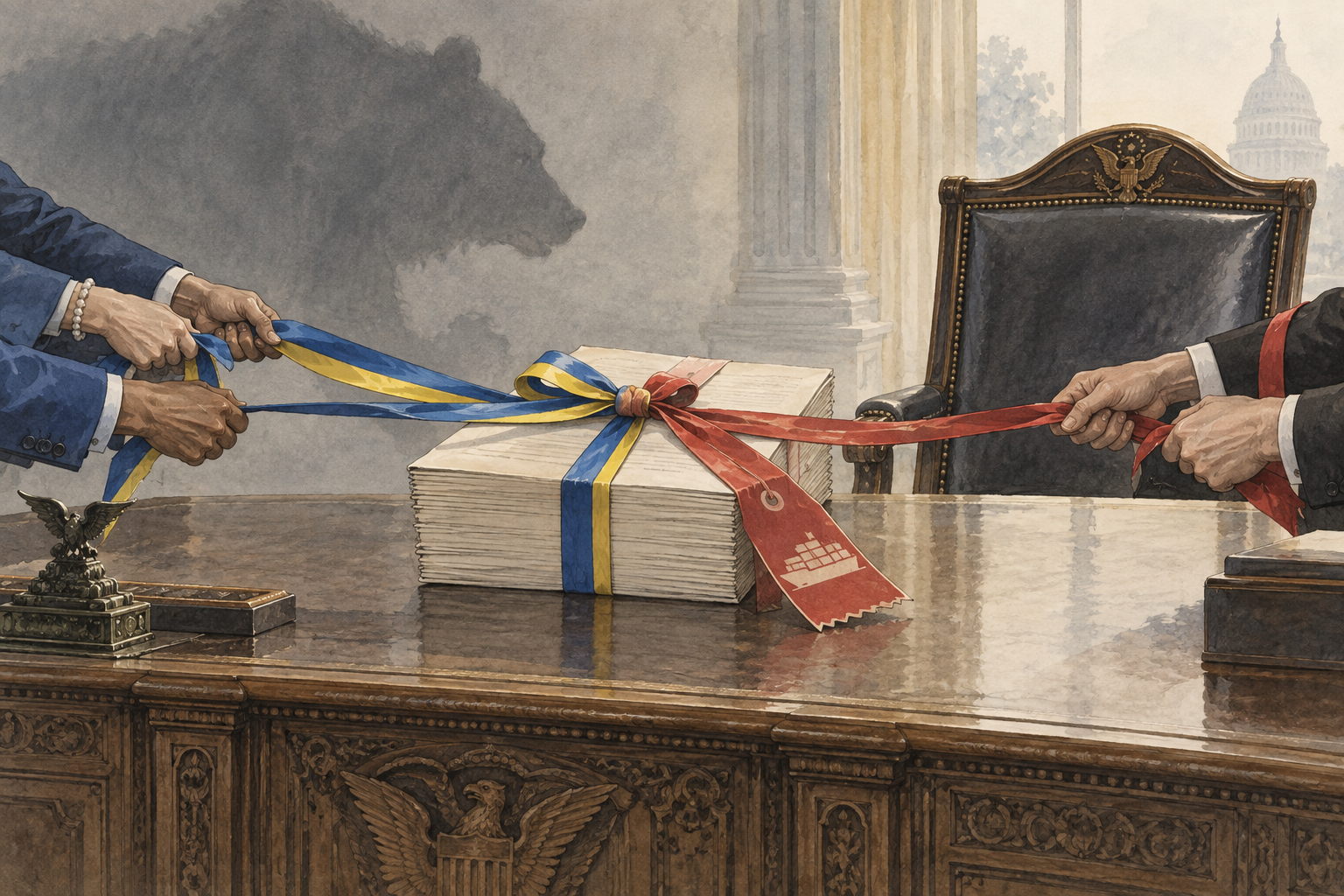
The House on September 16 passed a Russia sanctions package and sent it to President Trump, leaving the next decision on U.S. pressure against Moscow to the White House. The bill combines Ukraine-related sanctions, a Trump-backed extension of Iran sanctions and expanded presidential tariff powers.3
The measure passed the House 262-159 after earlier Senate approval, 86-11, according to Senate-side supporters of the legislation.3 AP reported that 203 Republicans and 58 Democrats supported the House bill, while Democratic leaders opposed tariff provisions that would give Trump broader authority to impose trade penalties tied to Russia’s war in Ukraine. CBS News reported that 58 Democrats crossed over to back the package and seven Republicans opposed it.5
The vote reflected a legislative bargain that moved long-sought Russia sanctions through Congress, but only after lawmakers accepted provisions giving the president new leverage over trade with countries that continue major purchases of Russian energy. The package also extends the Iran Sanctions Act for five years, through 2031, a priority supporters described as part of the administration’s broader sanctions agenda.13
Supporters framed the bill as a way to increase economic pressure on Russia and countries helping sustain its war effort. House Ways and Means Committee Chairman Jason Smith said the legislation would impose sanctions on Russia, use tariff policy to curb support for Moscow’s war in Ukraine, target Russia’s shadow fleet and extend Iran sanctions through 2031.1
The tariff provisions were central to both the bill’s passage and the Democratic backlash. The legislation authorizes tariffs aimed at major buyers of Russian energy, a tool backers say could pressure countries that indirectly finance Russia’s war economy.79 NPR reported that the bill would allow penalties on countries importing Russian oil and other energy products, while also adding sanctions targets linked to Russia’s war effort.8
For Republicans, the trade authority was not incidental; it was a core enforcement mechanism. Axios reported that Republicans rejected efforts to narrow the tariff powers before passage, underscoring how central the provisions were to the final deal.7
House Democratic leaders opposed the measure, arguing that it gave Trump too much discretion without requiring him to use the sanctions authority against Russia. Rep. Gregory Meeks, the top Democrat on the House Foreign Affairs Committee, said the bill granted Trump sweeping new tariff authorities while failing to mandate sanctions implementation.2
That objection did not hold the caucus together. Dozens of Democrats joined Republicans, citing support for Ukraine and the need to punish Russia. Rep. Marie Gluesenkamp Perez, one of the Democrats who backed the measure, said she voted to support Ukrainian defense and sanction Russia.4
The split reflected a familiar tension in Ukraine policy under Trump: lawmakers in both parties want to maintain pressure on Russia, but Democrats remain wary of granting broad unilateral trade powers to a president they distrust on tariffs and foreign policy enforcement.58
The Russia sanctions bill also carried a separate priority: extending the Iran Sanctions Act for five years. Supporters said the extension was part of the package now headed to Trump’s desk, linking pressure on Tehran to the broader congressional sanctions push.3
The Washington Post reported that Trump’s Iran sanctions priority and additional trade authority were added to the legislative bargain that allowed the Russia measure to advance.6 That combination broadened the bill beyond Ukraine, giving the White House tools it sought on Iran and tariffs while giving Russia hawks a vehicle to move sanctions legislation through both chambers.
With House and Senate approval complete, the bill’s fate now rests with Trump. A signature would align the White House with congressional Republicans and a bloc of pro-Ukraine Democrats that accepted the tariff bargain. A veto or delay would reopen questions about how aggressively the administration intends to use sanctions against Russia despite seeking expanded authority from Congress.
The vote also leaves unresolved how the powers would be used. Democratic critics argue the bill permits action without requiring it, meaning passage may not automatically translate into tougher pressure on Moscow.2 Supporters counter that the package gives Trump the economic tools needed to confront Russia’s revenue streams and punish those enabling its war in Ukraine.13
For now, Congress has handed Trump a sanctions-and-tariffs package built around a political trade-off: Ukraine policy advanced, but through a bill that expands presidential discretion over trade — the power that split Democrats as the legislation moved to the White House.
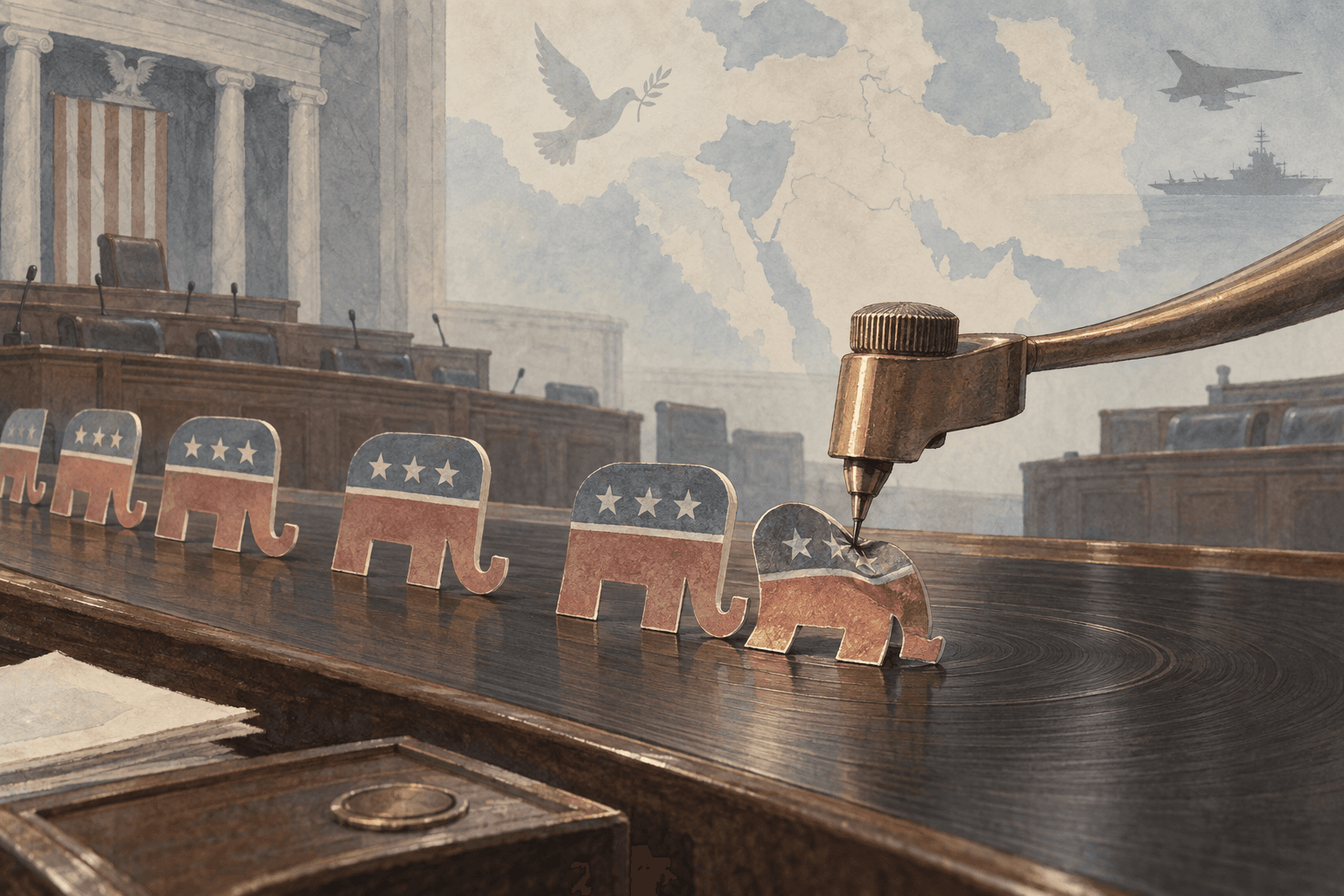
The House voted 220-204 to direct President Trump to remove U.S. forces from hostilities with Iran, with seven Republicans joining Democrats. The measure faces Senate and veto obstacles, but the vote gives Democrats a campaign-season accountability marker against vulnerable Republicans.

India summoned Pakistan’s top diplomat in New Delhi on September 16 after alleging Pakistani naval units acted unsafely and caused a collision with an Indian Navy vessel in international waters. The dispute has put renewed scrutiny on a 1991 bilateral military-notification agreement designed to prevent exactly the kind of close naval encounter both sides now accuse the other of mishandling.

Taiwan’s plan to open a second representative office in the Philippines has drawn a warning from Beijing, turning a consular and economic proposal into a fresh measure of Manila’s balancing act under its one-China policy. The Cebu plan comes as the Philippines deepens security and economic coordination with the United States and Japan while disputes with China worsen.

Chinese Defence Minister Dong Jun opened the Beijing Xiangshan Forum with warnings against “provocative acts,” militarism and historical revisionism, language widely read as aimed at Japan and U.S.-aligned partners. The message underscored Beijing’s effort to turn the forum into a platform for an alternative regional security order built around Chinese concepts of dialogue, sovereignty and “common security.”
Inverted pyramid
A news structure that puts the most important facts first, followed by context and background.
Shadow fleet
A network of tankers and shipping arrangements used to move sanctioned or restricted oil, often with obscured ownership or insurance.
Iran Sanctions Act
A U.S. sanctions law targeting investment and activity connected to Iran’s energy sector and other areas; this bill extends it through 2031.
Presidential tariff authority
Legal authority allowing the president to impose or adjust import duties, in this case tied to countries buying major quantities of Russian energy.
Comments