Japan Uses Mongolia Visit to Broaden Indo-Pacific Strategy
Untracked bias
Kyodo News
モンゴル首相、27日に来日 国際秩序維持へ連携強化
TheNews
国際空港拡張、1500億円供与=日モンゴル合意へ
Bias and factuality ratings from Media Bias Fact Check. Outlets without a rating are marked “Untracked.”
High-level visit
Prime Minister Nyam-Osor Uchral is visiting Japan from Sept. 27 to 30 for talks and a working dinner with Prime Minister Sanae Takaichi.
¥150bn loan
Japan is expected to provide about ¥150 billion in concessional financing to expand Chinggis Khaan International Airport.
Air connectivity
The airport project is framed as a way to strengthen Mongolia’s links with Japan and other “third neighbor” partners.
Mongolian Prime Minister Nyam-Osor Uchral began an official working visit to Japan on Sunday, opening a four-day agenda that puts Mongolia at the center of Tokyo’s effort to build strategic partnerships beyond its maritime Indo-Pacific focus.1
Japan’s Foreign Ministry said Prime Minister Sanae Takaichi will hold talks and a working dinner with Uchral during the Sept. 27–30 visit. Tokyo said the trip is intended to strengthen the two countries’ “Special Strategic Partnership for Peace and Prosperity.” Japan described Mongolia as a key regional partner that shares principles including freedom, democracy and the rule of law.9
The visit comes as Japan is expected to move ahead with a roughly ¥150 billion concessional loan to expand Chinggis Khaan International Airport near Ulaanbaatar. Japanese reports frame the project as a major connectivity investment in a landlocked country between Russia and China.3
The prospective airport financing gives the summit a concrete economic pillar. It also underscores the strategic logic of Japan’s engagement: helping Mongolia preserve options beyond its two powerful neighbors.
Mongolia’s geography gives the visit significance beyond bilateral diplomacy. The country is bordered only by Russia and China, making its external economic routes and political room for maneuver dependent on careful balancing.
For Japan, Mongolia offers a rare democratic partner in continental Northeast Asia — not a maritime ally, but a state whose foreign policy seeks space among larger powers.
That position fits with Mongolia’s “third neighbor” diplomacy, a long-running approach aimed at deepening ties with countries beyond Russia and China. Japanese and Mongolian reports on the expected airport loan explicitly connect Chinggis Khaan International Airport to that concept, describing it as a bridge to Japan and other third-neighbor partners.6
Tokyo’s language on shared democratic and rule-of-law values gives the relationship a normative frame. But the visit is also practical. Mongolia’s government said Uchral will discuss expanding the Special Strategic Partnership, deepening people-centered cooperation, and exchanging views on regional and international issues with Takaichi.1
The expected ¥150 billion loan is likely to be the summit’s most visible deliverable. Jiji Press reported that Japan and Mongolia are moving toward a formal agreement around the leaders’ meeting. The two governments are expected to sign an exchange of notes, with the Japan International Cooperation Agency later concluding the loan agreement with Mongolia.3
The airport is already a symbol of Japanese development diplomacy. Japan previously provided ¥65.657 billion in yen loans for the airport, which opened in 2021. The proposed new financing would raise cumulative Japanese support for the facility to more than ¥210 billion, according to Japanese reporting.8
The case for expansion is tied to demand. Reports say passenger numbers have exceeded initial forecasts, putting pressure on terminal facilities and aircraft parking capacity.3
For Mongolia, expanded air links would support tourism, business travel and connections to partners not reachable without transiting its two neighbors. For Japan, the project advances a quieter but consequential form of strategic statecraft: infrastructure lending that strengthens the resilience of a partner state.
Japan’s Indo-Pacific diplomacy is often associated with sea lanes, island states, Southeast Asia and maritime security. Uchral’s visit shows a complementary continental dimension.
Mongolia does not sit on a critical sea lane. But it occupies strategic space between Russia and China, and its democratic system makes it an attractive partner for Tokyo’s values-based diplomacy.
The planned meetings also point to a whole-of-government and economic approach. Mongolia’s government said Uchral is expected to meet leaders of both houses of Japan’s parliament, officials from JICA and the Japan External Trade Organization, members of the Japan-Mongolia Economic Committee, business representatives and Mongolian citizens living in Japan.1
Those engagements suggest the visit is not limited to leader-level symbolism. It is intended to widen channels among lawmakers, development agencies, trade bodies and private-sector actors — the network through which Japan often turns strategic alignment into durable cooperation.
For Tokyo, the Mongolia visit reinforces a message to regional partners: Japan’s diplomacy is not confined to coastal states or formal allies. It is also cultivating countries whose autonomy is shaped by proximity to China and Russia, and whose resilience can affect the balance of the wider regional order.
For Ulaanbaatar, closer ties with Japan offer investment, diplomatic visibility and a stronger third-neighbor link at a time when overdependence on any single route or partner carries strategic risk.
The airport project captures that logic in physical form: more capacity to move people, goods and business through the air, and more room for Mongolia to sustain ties beyond its immediate neighborhood.
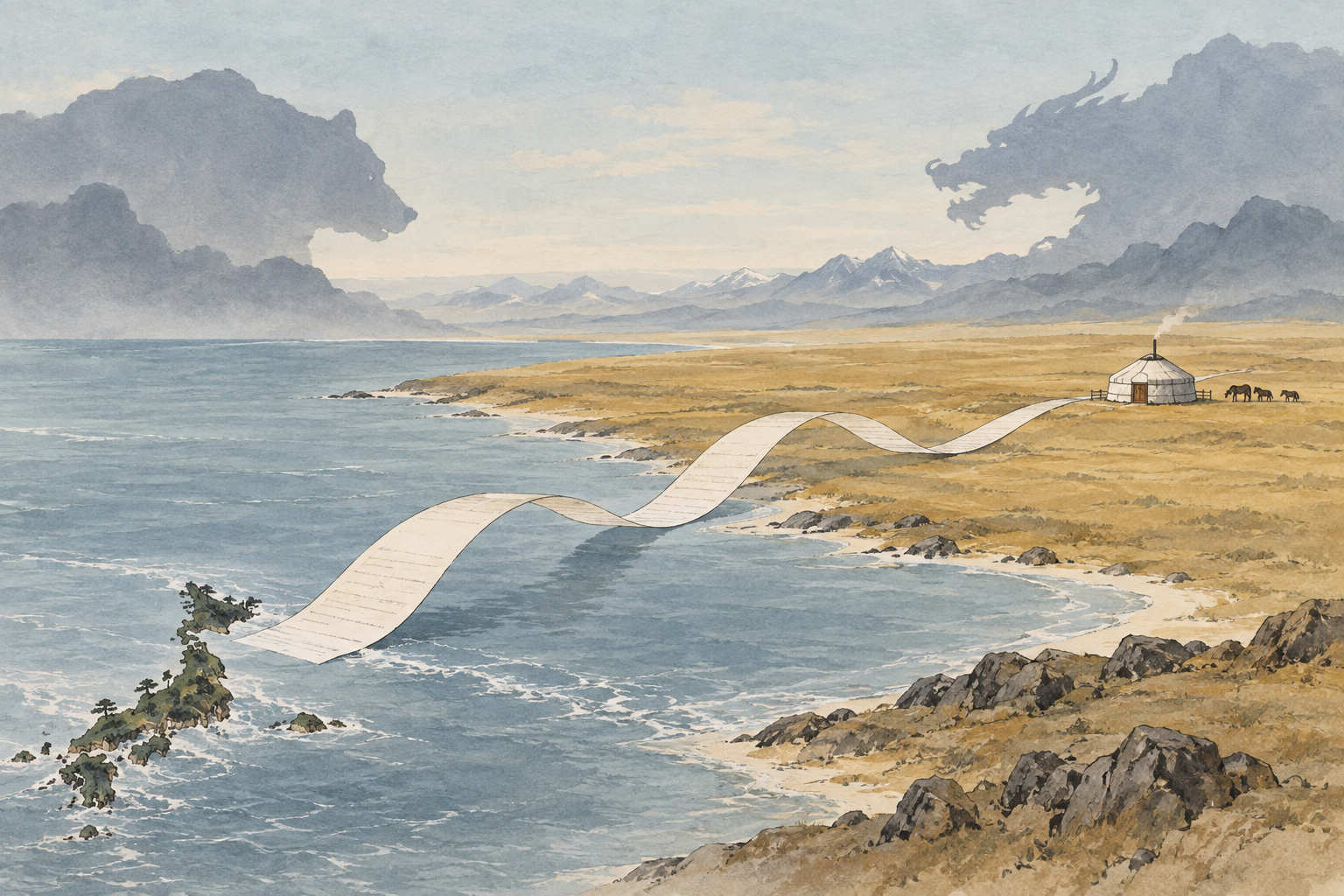
The Takaichi-Uchral talks will therefore be watched not only for bilateral outcomes, but also for what they signal about Japan’s evolving regional map. By placing Mongolia high on the diplomatic calendar, Tokyo is broadening the geography of its Indo-Pacific strategy — from the sea lanes to the steppe.

External Affairs Minister S. Jaishankar’s September 26 remarks framed BRICS as supportive of the United Nations and as a source of bottom-up pressure for reform. The message fits India’s effort to pair Global South leadership with continued investment in the UN-centred multilateral system.

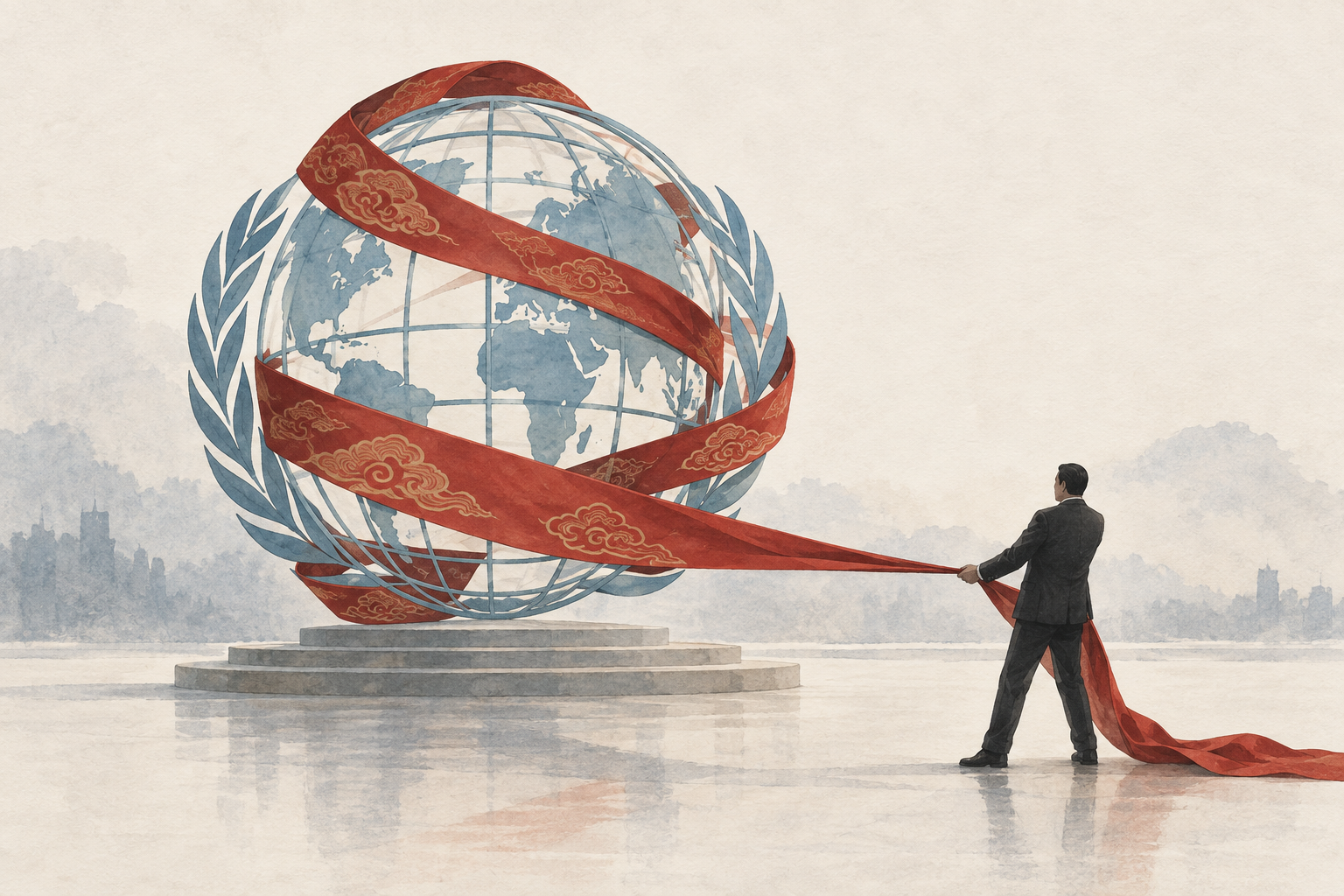
Chinese Vice President Han Zheng used the UN General Assembly to present Beijing’s development, security, civilization and governance initiatives as answers to disorder in the international system. The speech underscored China’s effort to frame its own agenda as a reinforcement of UN authority, even as it challenges Western-led interpretations of multilateral reform.

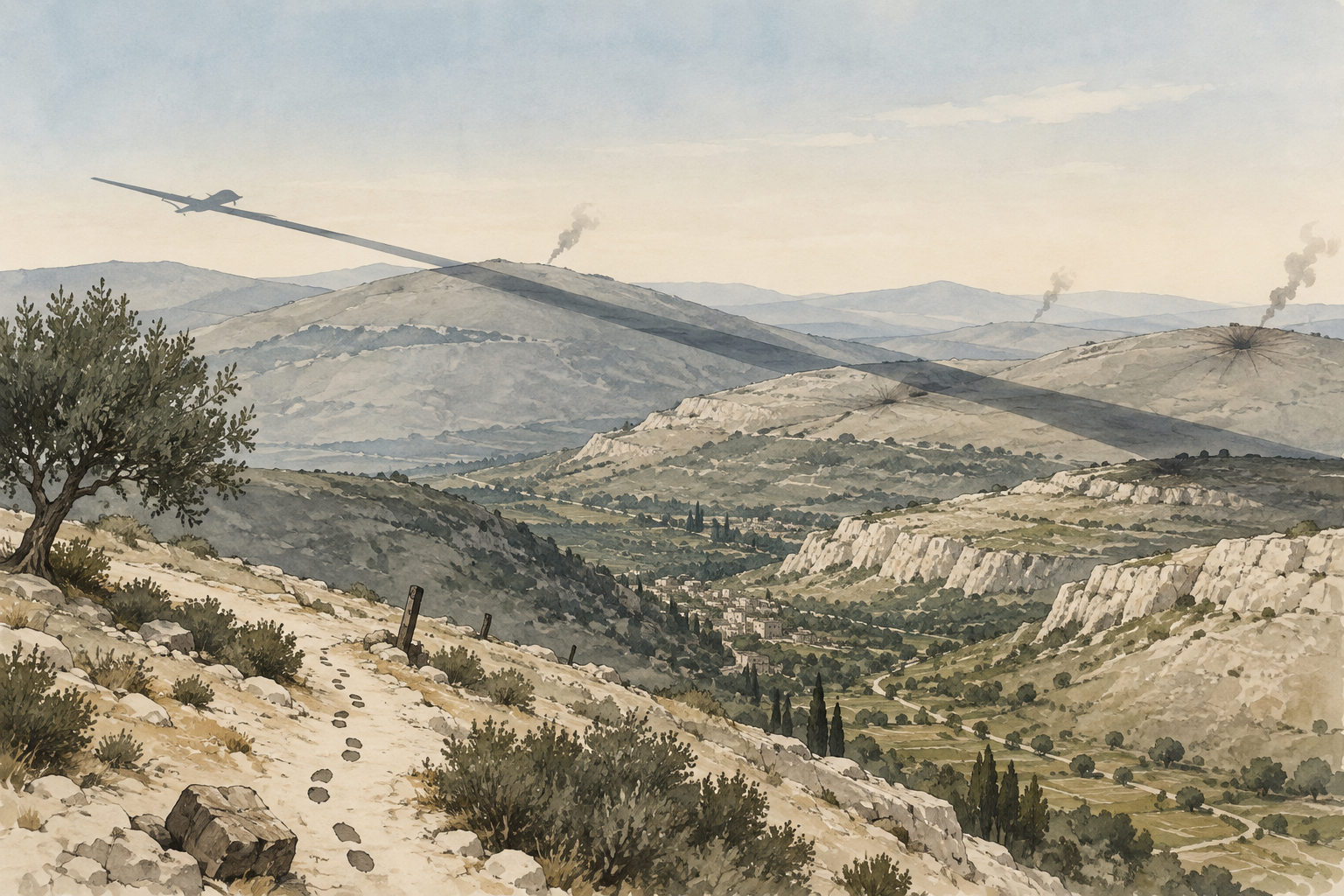
Israeli strikes on Sojod and the Jezzine heights on Sept. 26 suggest Israel is pairing reduced troop deployments in parts of its south Lebanon buffer zone with longer-reach pressure on suspected Hezbollah relocation routes. The pattern indicates a post-Ali Taher recalibration: less visible ground mass in some areas, but continued airstrikes, artillery, drones and demolitions across a broader belt.

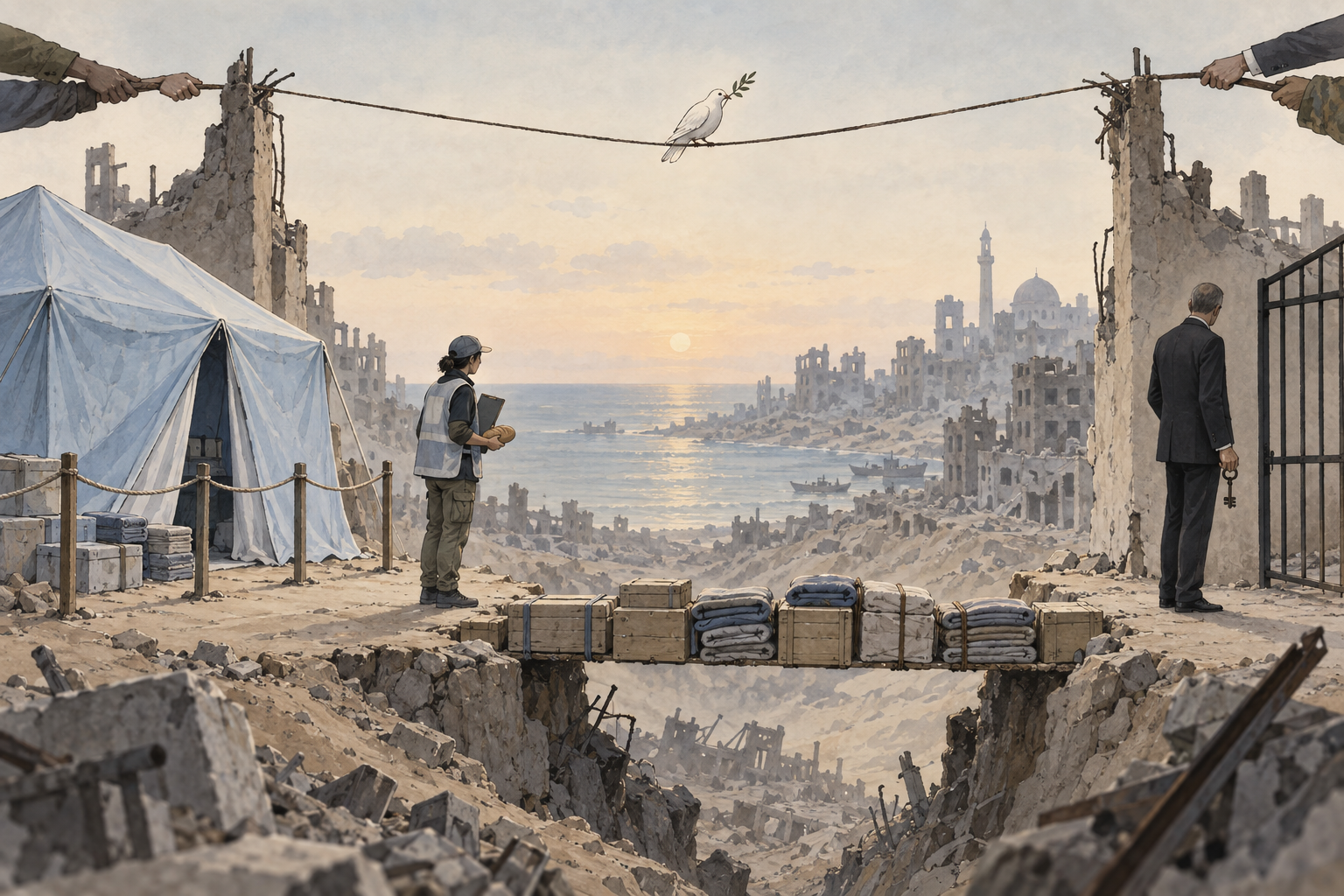
Hamas criticized the US-created Board of Peace after it said it would not work with UNRWA in Gaza, turning aid delivery and postwar administration into a new flashpoint under the ceasefire. The dispute raises a practical question for Gaza’s recovery: who can move relief and rebuild services if the territory’s long-standing refugee agency is sidelined?
Special Strategic Partnership
Japan and Mongolia’s upgraded bilateral framework, formally centered on peace, prosperity, economic cooperation and shared political values.
Third neighbor diplomacy
Mongolia’s strategy of building strong ties with countries beyond its only two land neighbors, Russia and China.
Yen loan
A Japanese government-backed development loan, usually offered on concessional terms through official development assistance rather than as a grant.
Chinggis Khaan International Airport
Mongolia’s main international gateway near Ulaanbaatar, opened in 2021 with major Japanese financing and now slated for expansion.


Comments